Every convertible buying guide tells you to inspect the roof. Almost none tell you what you are looking for, what fails, or what it costs when it does. That gap is where buyers lose money.
This guide goes system by system through the parts of an open car that a coupe simply does not have, using convertibles that have come through our showroom as examples. The cost ranges are typical figures for independent specialist work at the time of writing; dealer pricing usually runs higher, and every car deserves its own quote.
Why do convertibles have more to go wrong?
Because a convertible carries three systems a coupe does not: the roof mechanism, the sealing and drainage around it, and the sensors and modules that coordinate the two.
None of these is inherently fragile. Manufacturers engineer them to last for many years. But each adds parts that move, seal or switch, and each ages according to time and climate as much as mileage. A folding hardtop adds a further layer, because a heavier roof needs more substantial hydraulics to move it.
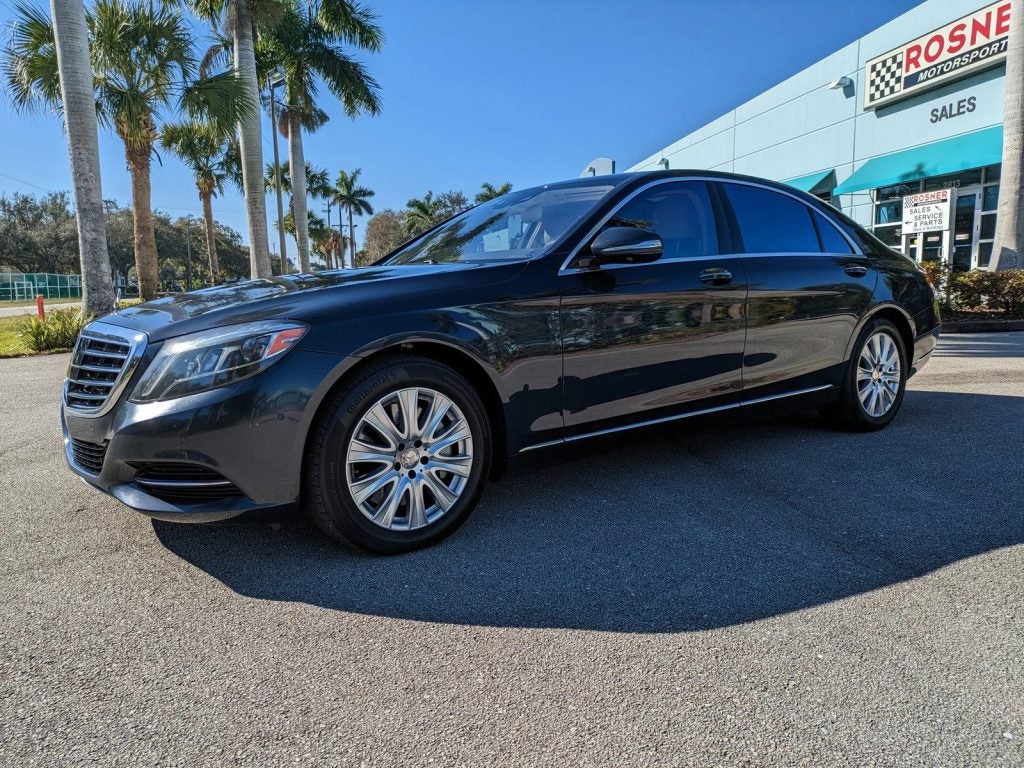
Mercedes-Benz SL: the Vario roof
The SL’s folding hardtop is the most useful roof in any convertible, and it is also the most complex. It is also the convertible we sell more of than almost any other, across two generations: the R230 of 2003 to 2012 and the R231 that followed it.
The roof is driven by a hydraulic pump in the trunk feeding a series of cylinders, with microswitches and position sensors confirming each stage before the next begins. When something goes wrong, it almost always falls into one of four categories. The hydraulic fluid level drops over time and the roof slows or stops. A cylinder begins to leak, often leaving fluid on the headliner, parcel shelf or trunk lining. A microswitch or sensor fails and the sequence halts partway. Less often, the pump itself fails.
The first is the most common and the least alarming. “Sometimes the hydraulic reservoirs simply need to be refilled because they’ve lost pressure over time,” says Dan Magee, a sales consultant at Rosner Motorsports. A top-up and bleed is typically a few hundred dollars. A single leaking cylinder usually runs from several hundred to around fifteen hundred dollars installed, depending on which one and how much trim has to come out. Multiple cylinders or a pump can climb to several thousand.
One detail catches out buyers on test drives: the SL roof will not operate unless the trunk partition is correctly in place. A roof that refuses to move is not always a roof that is broken.
Active Body Control: the system that lives on the same cars
ABC is not part of the roof, but it is the single most important thing to understand before buying an SL 63.
Active Body Control is Mercedes’ hydraulic suspension, using high-pressure fluid at each corner to hold the car flat through corners and keep the ride composed. It is standard on the SL 63 in both generations, and optional on the R231 SL 400, so the build sheet is worth checking. When healthy, it is remarkable. When neglected, it is expensive.
The system ages through its struts, its high-pressure lines, its pump, and the valve blocks and accumulators that manage pressure. The warning signs are a car sitting noticeably low at one corner after standing overnight, an ABC message on the dash, or fluid seepage around the wheels. A fluid flush and bleed is a routine, modest job. A single line or strut typically runs from one to three thousand dollars. Multiple struts or a pump can reach five thousand and beyond.
Some owners respond to a large ABC bill by converting the car to conventional coilovers. That solves the cost and changes the car, both in how it drives and in how a future buyer will value it. The better route is to buy an example on which the system has been maintained and documented.
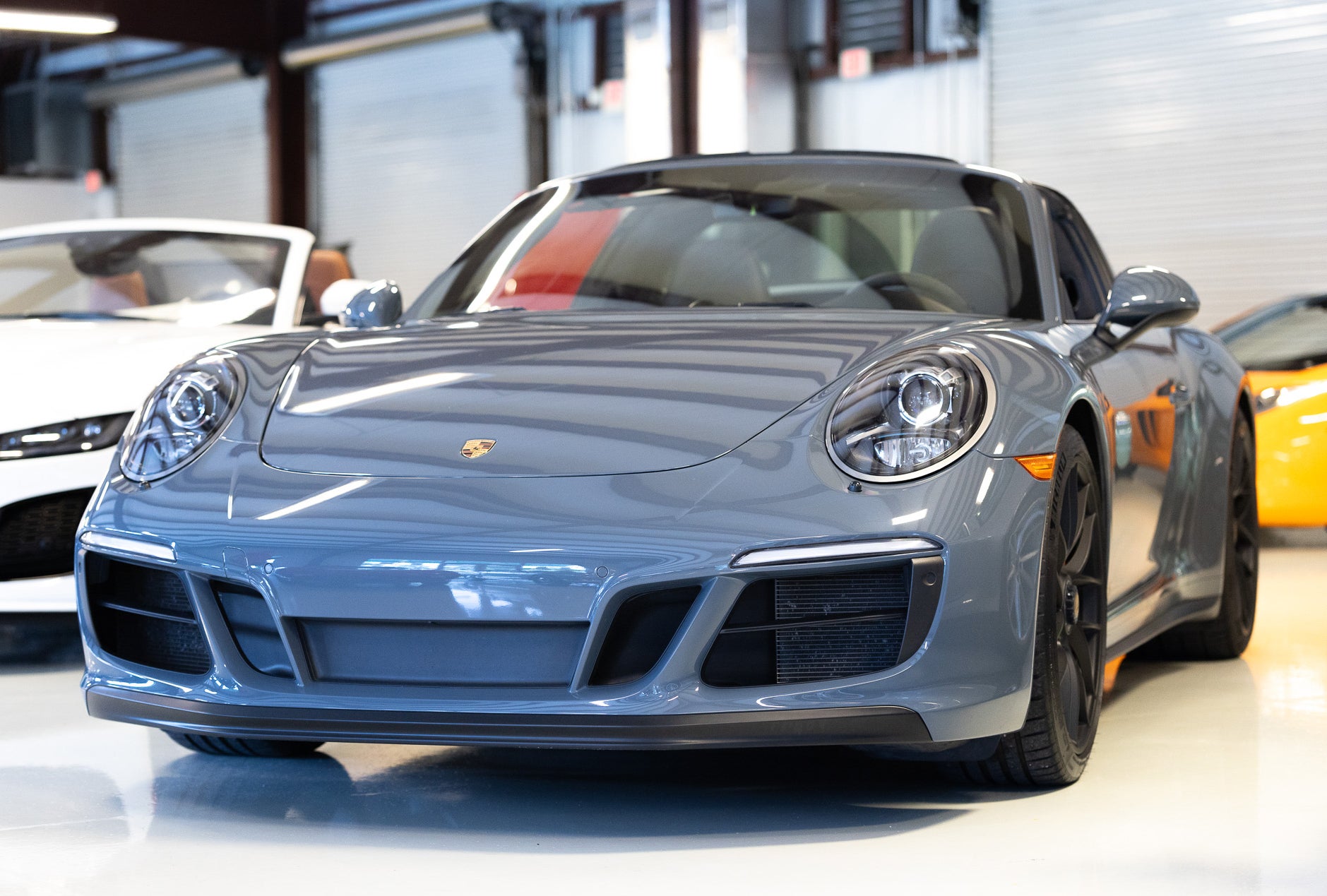
Porsche 911 Targa: the roof that moves the rear window
The modern Targa mechanism lifts the rear window, folds the roof panel beneath it, and sets everything back in place. It is reliable when maintained, and we look at it in detail in our 911 Targa vs. Cabriolet guide.
The faults that do appear are mostly about alignment and water: a roof that moves slowly or unevenly, seals that have shrunk with age, and drain tubes in the roof frame that block and send water onto door trims and seats. Clearing drains is a minor job. Replacing seals frequently runs to four figures, because parts of the roof assembly must come apart to fit them.
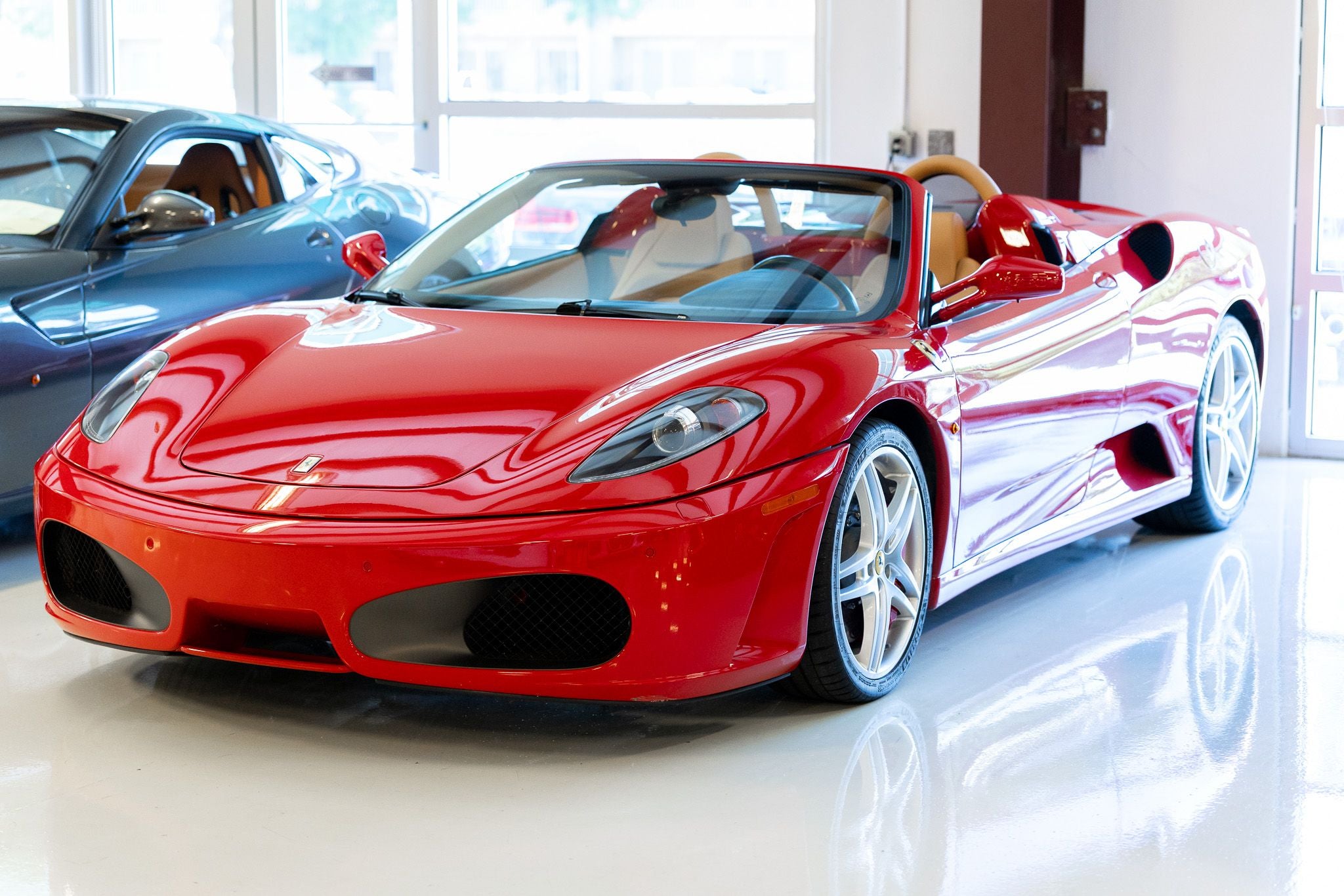
Ferrari California T: a folding hardtop at Ferrari rates
The California T uses a two-piece retractable hardtop, hydraulically operated, which gives it the same broad character as the SL: a proper coupe with the roof up, a convertible with it down. The categories of fault are the same as well, from fluid and seals to sensors and alignment.
What changes is the price of putting them right. Ferrari parts and specialist labor rates mean that the same class of fault costs considerably more than on a Mercedes, which makes a documented service history and a full roof cycle during inspection even more important.
Soft tops: fabric, frame and rear window
A fabric roof is simpler than a folding hardtop, and it is also a consumable.
The soft-top cars that come through our showroom range from the MINI Convertible John Cooper Works and the Volkswagen Beetle Convertible to the retro Ford Thunderbird. On all of them, the fabric itself is the part that wears. Ultraviolet light breaks down the material and the stitching, rear windows cloud or separate from the fabric around them, and the frame’s pivots and motors wear with use.
Replacement costs vary enormously by car. A quality top for a MINI or Beetle typically falls between one and two and a half thousand dollars installed. A factory-specification top for a Porsche or a premium German convertible commonly runs from three thousand to well beyond.
Switches, sensors and batteries
Many convertible roof faults are electrical rather than mechanical, and some of the most common are also the cheapest.
A weak battery is the first suspect when a roof hesitates, particularly on a car that sits. Roof sequences draw significant current and many control modules refuse to run them below a certain voltage. Position sensors and microswitches are the next. As we described in our convertible buying guide, we once bought a Porsche Boxster whose owners had lowered the top only twice; its microswitches had stopped working simply from disuse. Replacing them was inexpensive. Finding the cause required running the roof through its cycle.
Water: the expensive failure that is not mechanical
The costliest convertible repairs often begin with a blocked drain.
Every convertible channels water away through drains around the roof and body. When those drains clog with debris, water collects and overflows into footwells and trunks, which is precisely where many cars keep their control modules, wiring and, on the SL, the roof pump. Clearing a drain costs almost nothing. Replacing the electronics that a flooded footwell has damaged can cost thousands.
This is why we check under the carpet rather than on it, and why a convertible that has lived outdoors in a humid climate deserves a closer look than its mileage alone would suggest.
How to check a convertible roof before you buy
- Operate the roof through its full cycle at least twice, with the car stationary and the engine running. It should move smoothly and at a consistent pace.
- Watch and listen for hesitation, uneven movement between sides, or grinding and whining from the pump.
- Look for hydraulic fluid on the headliner, parcel shelf and trunk lining, and around the wheels on cars with hydraulic suspension.
- Lift the carpet in the footwells and trunk and check the underlayment for damp or staining.
- Find the drain channels and confirm they are clear.
- Ask for records of roof servicing, hydraulic fluid changes and, on an SL 63, the ABC system.
For a buyer purchasing remotely, a video of the roof completing its full cycle, filmed from outside the car, is worth more than any number of still photographs.
How we approach it
Every convertible that comes into our inventory has its roof operated during inspection. “Those systems have a lot of moving parts,” Dan says, “and because the hardtop is much heavier than a fabric roof, there are additional hydraulic components that need to be checked.” Our standard is that a car on the showroom floor is ready to go and needs nothing, and the roof is part of that standard rather than an exception to it.
Frequently asked questions
How much does convertible roof repair cost?
Anywhere from a few hundred dollars for a fluid top-up or a switch to several thousand for hydraulic cylinders, a pump, or a factory soft top. The make, the roof type and whether the work goes to a dealer or an independent specialist all move the figure considerably.
Are folding hardtops less reliable than soft tops?
They have more components and heavier hydraulics, so there is more that can fail and repairs can cost more. In exchange, the roof itself does not wear out the way fabric does. A well-maintained folding hardtop is not a liability.
Why does my convertible roof stop halfway?
Most often low hydraulic fluid, a weak battery, a failed position sensor or microswitch, or, on an SL, a trunk partition that is not in place. Each is identifiable before it becomes expensive.
How often should you operate a convertible roof?
Regularly, even in the off-season. Seals, switches and hydraulics all deteriorate faster through disuse than through normal operation.
Does Active Body Control make an SL 63 a bad buy?
No. It makes service history essential. A documented, well-maintained ABC system is one of the finest suspension systems ever fitted to a road car.
With thanks to Dan Magee, Sales Consultant at Rosner Motorsports, for the inspection detail throughout.
Browse our current selection of pre-owned luxury convertibles, or read our full guide, Best Used Luxury Convertibles: What to Know Before You Buy. If you have questions about a specific car, call us. We would rather answer them before you buy than after.